Skip to content
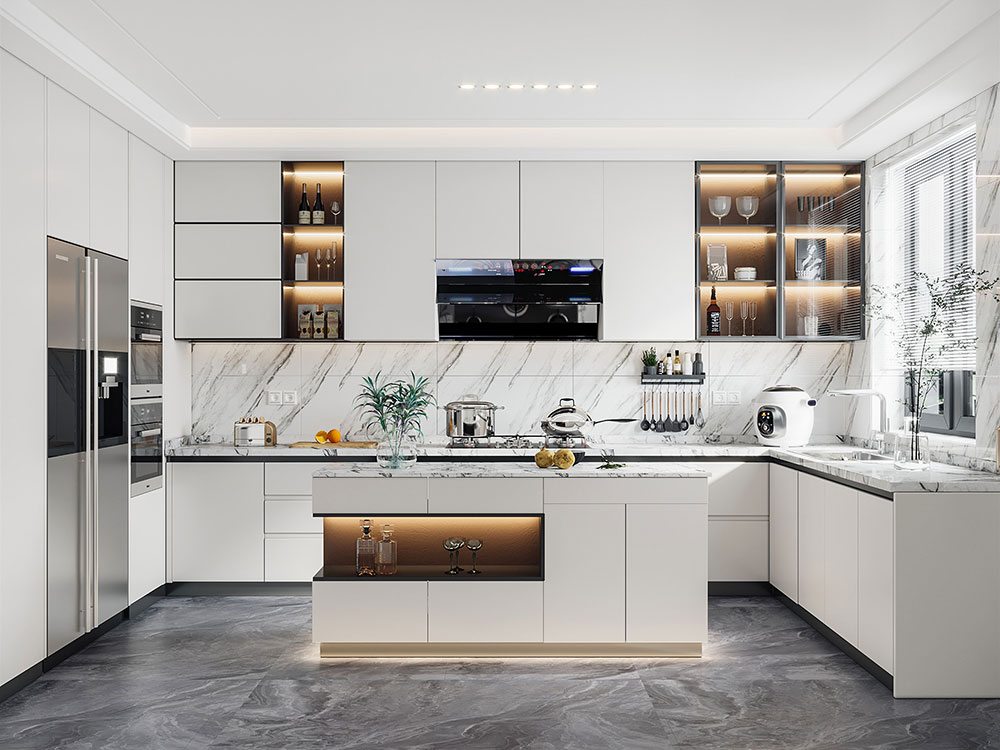
The core of a kitchen is the cabinet, which serves the functions of chopping, washing, and cooking, highlighting its importance.
When customizing cabinets, many people's first question to the kitchen cabinets manufacturer is about the price. While cabinet cost is important, those who truly understand cabinet care more about these eight questions. If you ask these specific questions to the cabinets maker during customization, they'll immediately recognize you as a professional and likely won't deceive you. So, what questions should you ask the kitchen cabinet supplier when customizing cabinets? Let me tell you!
1. What type of board material is used? Is the material environmentally friendly?
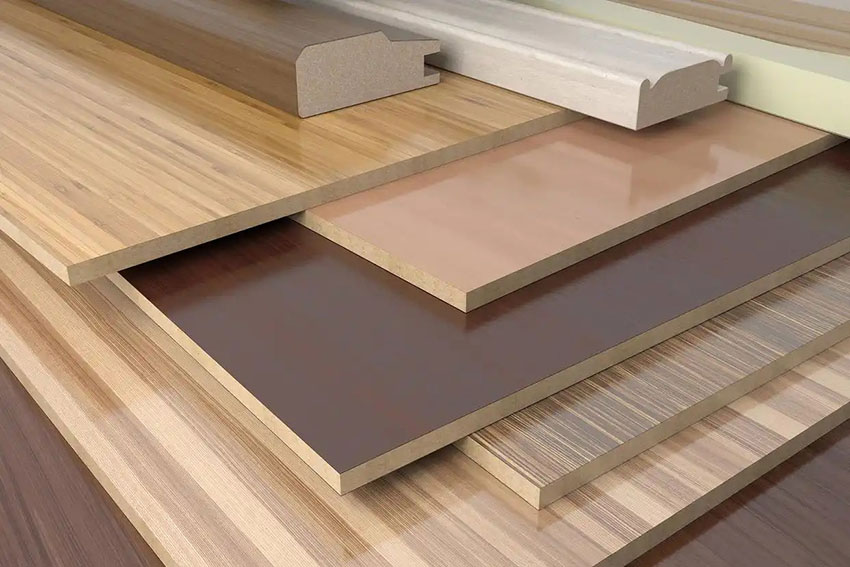
There are many types of panels, including solid wood panels, plywood, particleboard, MDF, and so on. The type of panel used varies significantly depending on the cabinet's location.
Generally, the countertop cabinet should be made of 18mm solid wood multi-layer board to prevent moisture damage and deformation. The back panel of the overhead cabinet should use 5mm double-sided moisture-proof board, while particle board can be used for other areas. Common brands include Egger, Kronospan, and Cleaf, with the choice depending on individual budget.
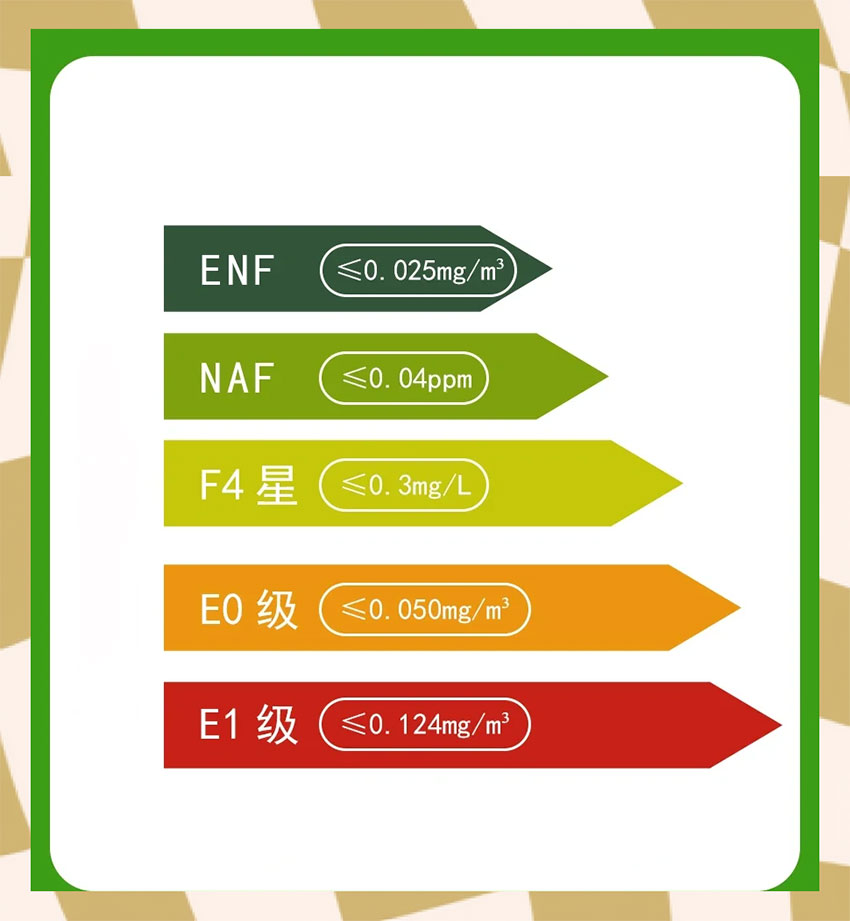
Health first, choose E0 or ENF grade boards to avoid excessive formaldehyde and protect the health of family members.
2. What is the thickness of the two worktops? Are there any backboards or edge strips on the worktops?
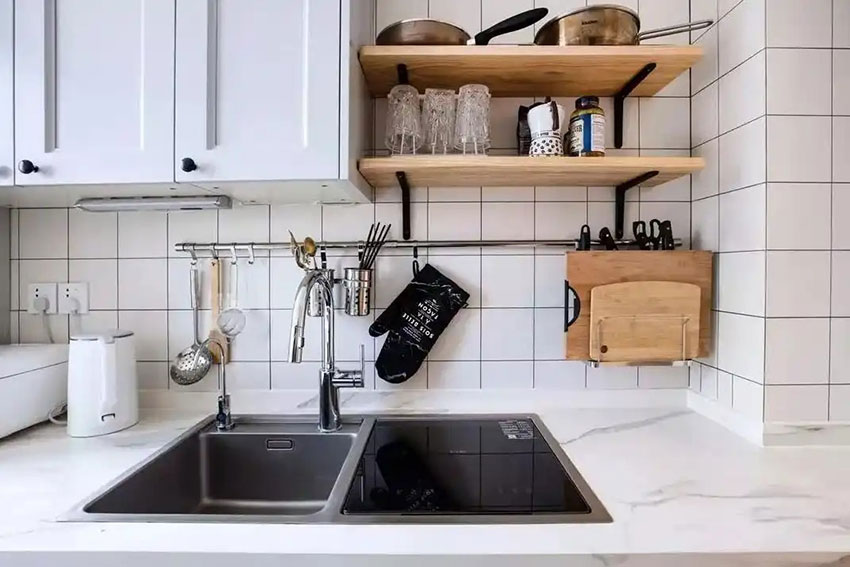
For custom cabinets, the second question to ask is about the thickness of the countertop.
Those who frequently cook know that chopping bones requires great force, so the countertop must have excellent load-bearing capacity. If the countertop thickness is less than 15mm, its load-bearing effect will be relatively poor.
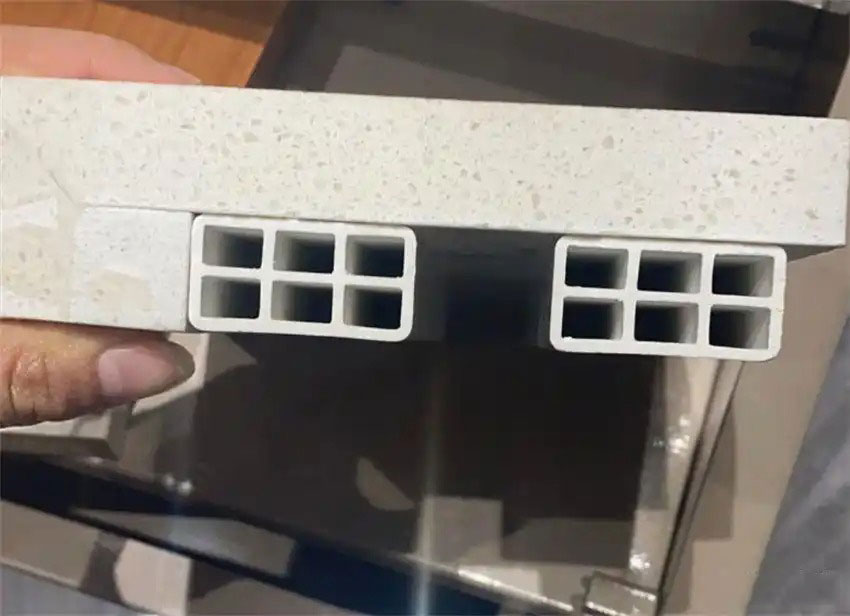
The bottom of the countertop lacks a cushion layer, leading to uneven stress distribution when chopping or cutting meat, which can easily cause cracks over time. Therefore, a cushion layer or underlayment must be added to the bottom during countertop installation—this is absolutely essential.
3. How to prevent moisture in the cabinet under the sink cabinet?
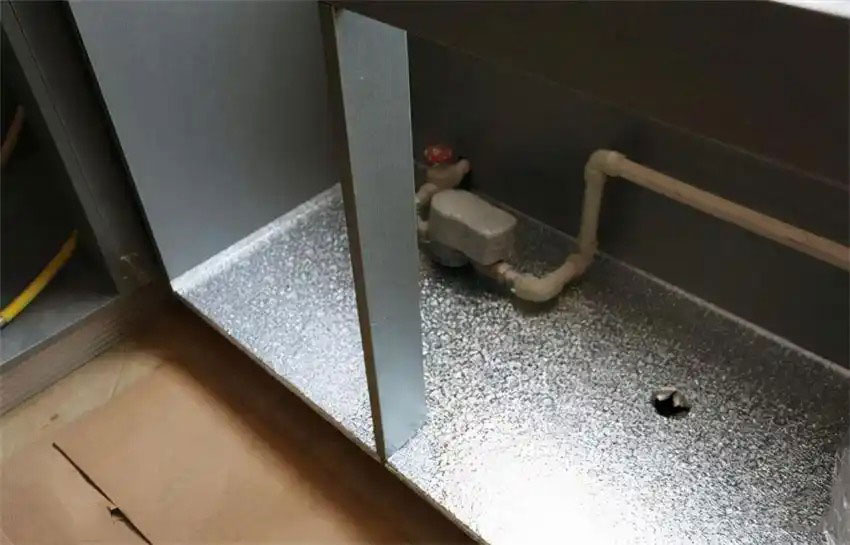
The sink area is dark and damp, so the cabinet must undergo moisture-proof treatment.
4. What brand is used for the hardware?
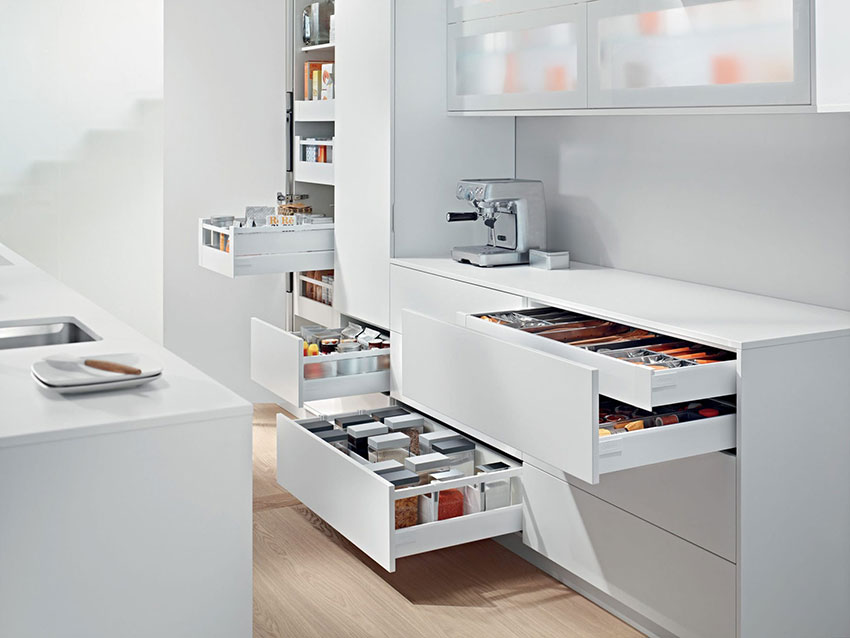
Never underestimate the importance of hardware parts, as they directly determine the lifespan of a cabinet. Hardware from well-known brands often boasts superior quality and durability.
Common hardware brands include: Blum (Austria), Hettich (Germany), Häfele (Germany), etc. Options include Blum or DTC damping hinges with buffer functions to prevent pinching when closing doors.
5. Does the design make reasonable use of space?
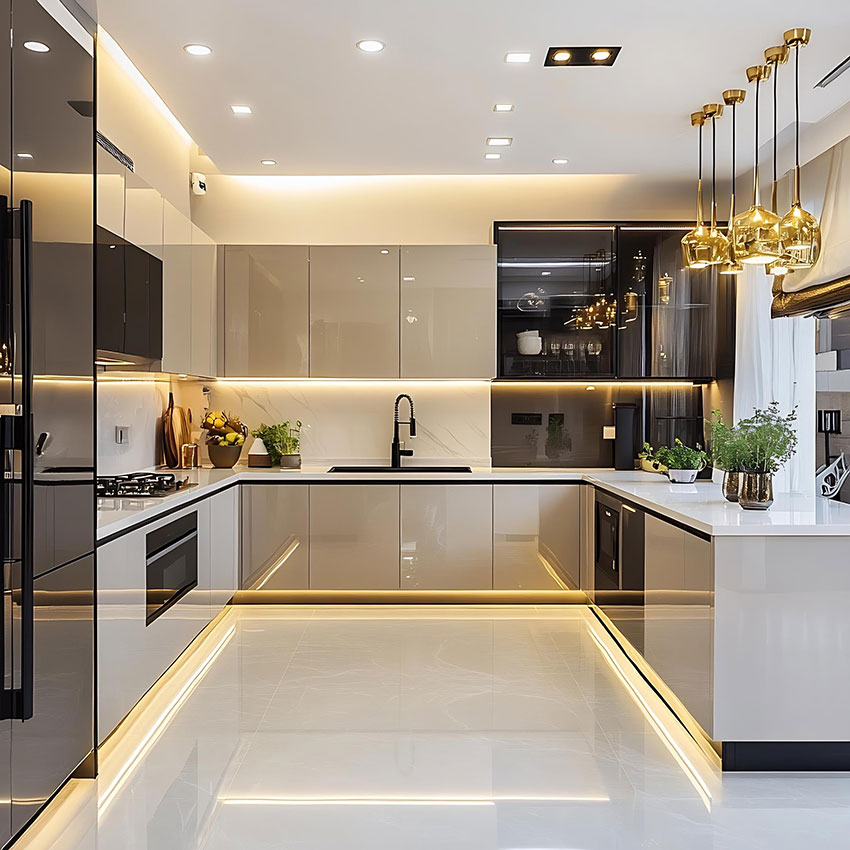
The charm of customization lies in maximizing space utilization. Every inch of space should be rationally planned.
6. What is the warranty policy?
Understand the warranty period and terms, and choose a merchant with excellent after-sales service to ensure worry-free maintenance in the future.
7. Can you provide installation services?

Some cabinets supplier may offer paid installation services, which require advance booking.
8. Can you provide the inspection report?
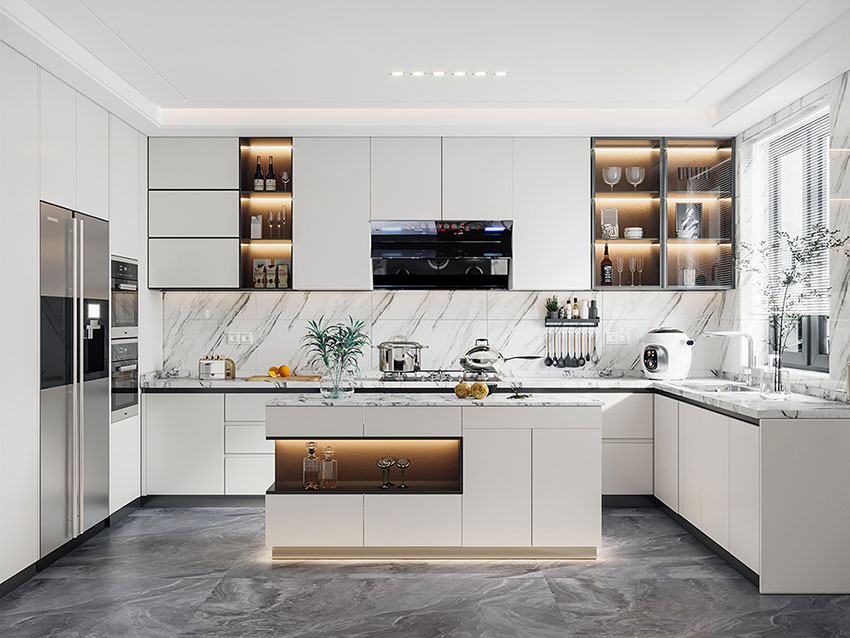
The inspection report primarily checks whether the formaldehyde content in the cabinets meets environmental standards, as people spend considerable time interacting with cabinets daily. Only cabinets with formaldehyde levels within the acceptable range can be used with greater peace of mind.